
6·3 지방선거 이후 소상공인 지속가능한 성장 위한 혁신 정책 긴요
눈앞에 다가온 6·3 지방선거는 지난해 6·3 대선으로 국민 주권 정부가 출범한 지 1년 만에 다시 국민의 중간 평가를 받게 되는 의미를 지닌다. 그동안 국민의 삶은 고루 나아졌는가, 민생은 두루 개선되었는가, 서민의 고단함은 더러 줄어들었는가. 유권자들이 지금 출마자들에게 묻고 싶은 심정일 것이다. 특히 적지 않은 유권자들이 관심을 가지며 보다 구체적으로 핵심을 찌르는 질문이 있을 것이다. 소상공인의 삶은 좋아지고 있는가.
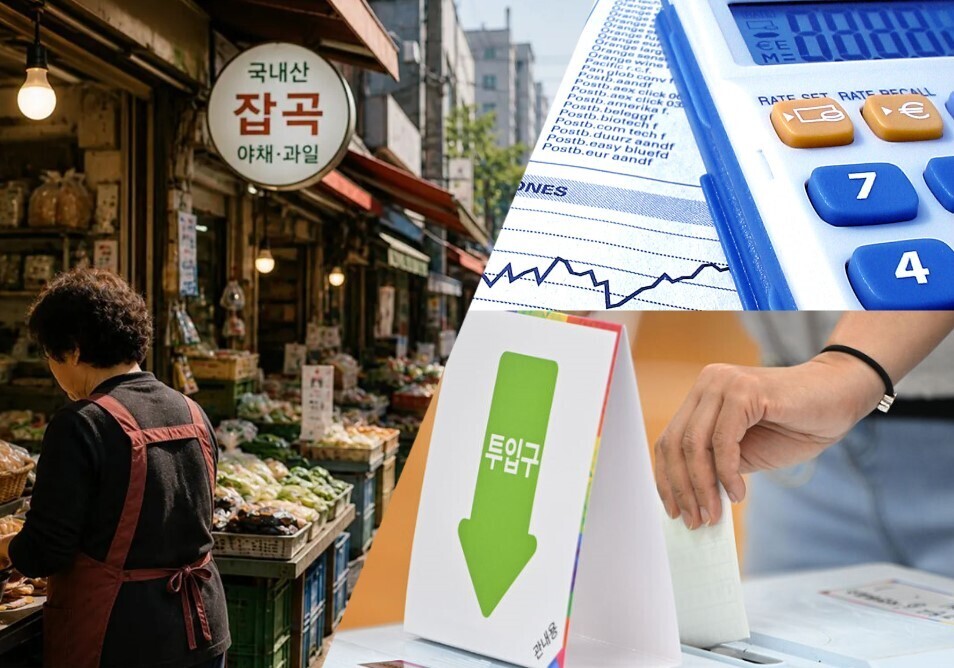 |
| ▲ 전통시장과 금융, 지방선거를 상징적으로 표현한 이미지. [KPI뉴스 자료사진] |
소상공인의 삶, 이는 우리 시대 많은 국민의 삶 그 자체와 실체적 동의어이자 민생 경제의 핵심이며 서민의 여전히 고단한 삶에 관한 함축적 서사이다. 바로 이 주제를 다루는 시의성 있는 소상공인 활성화 정책 포럼이 이번 주 화요일 열렸다. 소상공인과 오랜 기간 동반자로서 고락을 함께 해온 경남신용보증재단(이사장 이효근) 설립 30주년에 즈음한 뜻깊은 포럼이다. 필자는 토론 좌장으로 참석했다.
부동산 등 실물 담보가 부족한 소상공인이 보유하고 있는 무형의 신용을 발굴하고 평가하여 이에 대해 공적 신용보증을 제공함으로써 금융기관으로부터 원활하게 자금을 지원받을 수 있도록 하는 제도가 신용보증제도이다. 전국 17개 광역지방자치단체가 30년 전인 1996년부터 지역 신용보증재단을 설립하여 담보력이 부족한 소상공인에게 신용을 보증해 왔다. 현재 총 신용보증 잔액은 약 45조 원에 이른다.
이는 지방경제와 국민경제의 풀뿌리와 같은 소상공인의 지속가능한 성장과 더 나은 삶을 만드는 데 필수불가결한 포용금융(inclusive finance)이며 그 핵심 주역이 지역 신용보증재단이라고 할 수 있다. 포용금융에 대한 축적된 노하우와 전문성을 바탕으로 공적 신용보증 제공을 통해 자금의 수요자와 공급자 간에 존재하는 정보 비대칭(asymmetric information)을 해소함으로써 금융 취약 그룹인 소상공인의 금융 접근성을 높이는 데 견인차 역할을 해 왔다.
소상공인의 포용금융과 관련하여 필자는 오랜 기간 경제협력개발기구(OECD)에서 활동한 바 있다. OECD는 취약 그룹을 포함한 경제 구성원 모두가 적절한 금융 상품과 서비스에 합리적 비용 및 공정하고 투명한 방식으로 효과적인 접근을 할 수 있도록 보장하는 과정으로 금융포용을 정의한다. 이어 OECD는 소상공인이 각국 기업의 다수를 차지하며 고용 창출과 국민소득에 기여할 뿐만 아니라 지속가능하고 포용적인 성장과 금융안정 증진에 중요한 역할을 담당한다고 평가하고 있다. OECD는 특히 소상공인이 자금 조달의 어려움(lack of access to finance)과 경영 능력, 전문기술, 금융이해력 부족 등에 직면하고 있음을 지적하고 이를 해결하기 위해 한국을 포함한 OECD 국가들이 시행하고 있는 공적 신용보증을 비롯한 정책 대응의 중요성과 필수성을 강조하고 있다.
이렇듯 포용금융은 한국 소상공인만의 과제가 아님은 물론이다. 금융 강국 미국에서도 사모대출펀드(Private Credit Fund) 위기는 포용금융의 극명한 반면교사 사례다. 인공지능(AI)에 밀려날 위험에 처한 소프트웨어 기업 대출 익스포저(위험노출액)를 반영한 사모대출펀드 가치평가가 적시에 이루어지지 않았고 이에 따른 정보 비대칭 문제가 투자자들의 자금 회수를 촉발했다. 정보 비대칭은 다시 시장 참가자 간 이익 추구 행태 차이로까지 번졌다. JP모건, 바클레이즈, 모건스탠리 등 월가 유수 은행들이 사모대출펀드 채무 불이행에 베팅하는 파생금융상품 거래를 올 4월 시작한 것이다. 은행 대출 접근이 어려운 소상공인을 위한 사모 대출 기능은 간절한 포용금융의 하나다. 문제는 사모대출펀드 시장의 정보 비대칭이었다. 이를 교정하는 금융 생태계 설계가 요구되는 시점이라 할 수 있다.
이러한 대내외 여건 속에서 때마침 6·3 지방선거를 눈앞에 두고 있는 한국은 앞으로 새롭게 출범하는 지방정부의 정책을 준비해 나감에 있어 어떠한 방향으로 소상공인을 위한 포용금융 정책에 접근해야 할 것인가.
소상공인기본법 제24조는 정부와 지방정부가 소상공인의 생산성 제고 및 삶의 질 증진을 위하여 소상공인의 복지 수준 향상에 필요한 시책을 실시하여야 한다는 책무를 부여하고 있다. 6월 시행되는 소상공인법 제9조는 소상공인의 일과 가정 양립을 정책적으로 지원하도록 하고 있다. 그야말로 '소상공인의 확실한 행복(소확행)'을 위한 정책을 법률이 요구하고 있다고 할 수 있다. 이러한 목표를 향해서 나아가는 데 긴요한 것은 현실 적합성 있는 효과적인 실천 전략을 모색하려는 노력이다.
이렇게 볼 때 이번 소상공인 활성화 정책 포럼에서 제시된 통찰력과 시사성 높은 정책 제언은 경청할 만한 가치가 있다고 하겠다. 이를 우선 고려하면서 6·3 지방선거 이후 각 지방정부가 본격적으로 훌륭한 정책의 수립과 추진에 적극적으로 나서기를 기대한다.
먼저 지역 상권의 상생 및 활성화를 촉진하기 위하여 지역 상권 간 협력과 상호작용을 강화할 필요가 있다는 제언이다. 아울러 지역 상권의 특성에 기반하여 도시생활형, 관광연계형, 전통시장형, 산업단지형 등으로 유형화하는 상권 맞춤형 활성화를 제언하고 있다. 지방정부의 상권 정책 업그레이드 필요성을 일깨운다.
또한 소상공인에 대한 통합지원체계 강화가 필요하다는 제언이다. 지방정부 차원의 소상공인 원스톱 지원 플랫폼을 마련하여 상권별 컨설팅, 모니터링, 성과관리 등을 유기적으로 묶는 역할 및 이니셔티브의 필요성을 일깨운다. 이와 관련하여 디지털 전환에 따른 소상공인의 전자상거래 활용 제고를 위한 온라인 플랫폼 등 지원과 아울러 디지털 취약 그룹에 대한 배려 또한 잊지 않아야 한다는 제언이다.
아울러 소상공인의 성장 단계별로 맞춤형 신용보증상품 개발이 필요하다는 제언이다. 소상공인이 성장기에는 더 성장하도록 촉진하고 정체기에는 창조적 파괴(creative destruction)의 작동 원리로 혁신이 이루어지는 생태계를 형성하는 단계별 신용보증상품 개발이 긴요하다. 이와 연계하여 소상공인별 맞춤형 컨설팅을 제공하면서 성장 단계에 따른 신용보증 프레임워크를 실효성 있게 만들어 나갈 수 있다. 신용보증의 혁신과 발전을 시사하는 일련의 정책적 흐름을 일깨운다.
지난해 노벨경제학상 수상자 조엘 모키어는 경제사 관점에서 혁신을 지속케 한 문화와 제도의 중요성을 강조했다. 소상공인이 어떻게 더 성장할 수 있느냐는 질문은 어떻게 소상공인을 위한 혁신을 창출할 수 있느냐는 질문과 같다. 모키어의 역사적 통찰력은 소상공인을 위한 혁신을 창출할 수 있게 하는 문화와 제도를 만드는 것이 소상공인의 지속가능한 성장을 이루는 데 핵심적인 관건이 됨을 일깨워 주고 있다.
그러한 문화와 제도, 그리고 이를 아우르는 정책을 만드는 노력이 6·3 지방선거 이후 한층 강화되기를 바란다. 더 나은 삶을 위한 더 나은 정책(Better Policies For Better Lives). OECD의 슬로건이다. 소상공인의 더 나은 삶을 위한 더 나은 정책을 기대한다.
[Reading Finance & Economy with Cho, Hong Kyoon] Inclusive Finance in Our Time with Micro Enterprises
The upcoming June 3 local elections hold significance as they mark a midterm evaluation by the public, one year after the launch of the government based on popular sovereignty following last year's June 3 presidential election. Have the lives of the people improved across the board? Have livelihoods generally improved? Has the hardship of ordinary citizens lessened? This is likely the sentiment voters are trying to ask the candidates running in the elections. In particular, a considerable number of voters are likely interested in asking specific, incisive question. Are the lives of micro enterprises improving?
The lives of micro enterprises are synonymous with the very lives of many citizens in our time; they are the core of the people's economy and a narrative that encapsulates the still arduous lives of ordinary people. A timely policy forum addressing this very topic focused on the revitalization of micro enterprises was held this Tuesday. This is a meaningful forum marking the 30th anniversary of the Gyeongnam Credit Guarantee Foundation, whose head is Lee, Hyo Geun, an organization that has long shared the joys and sorrows of micro enterprises as a partner. I attended as the moderator of the discussion.
The credit guarantee system is a mechanism designed to enable micro enterprises, often lacking tangible collateral such as real estate, to receive smooth financial support from financial institutions by identifying and evaluating their intangible credit and providing public credit guarantees. Since 1996, 30 years ago, 17 metropolitan and provincial governments across the country have established regional credit guarantee foundations to guarantee credit for micro enterprises lacking sufficient collateral. Currently, the total outstanding balance of credit guarantees amounts to approximately 45 trillion won.
This is inclusive finance, indispensable for creating a better life and sustainable growth for micro enterprises serving as the grassroots of both local and national economies, and regional credit guarantee foundations can be considered the key players in this process. Regional credit guarantee foundations have played a pivotal role in enhancing financial accessibility for micro enterprises, a financially vulnerable group, by resolving the asymmetric information between borrowers and lenders through the provision of public credit guarantees, based on their accumulated know-how and expertise in inclusive finance.
Regarding inclusive finance for micro enterprises, I have worked for the Organization for Economic Cooperation and Development (OECD) for a long period. The OECD defines financial inclusion as the process of ensuring effective access to appropriate financial products and services for all members of an economy, including vulnerable groups, at an affordable cost and in a fair and transparent manner. Furthermore, the OECD assesses that micro enterprises constitute the majority of enterprises in each country and play a crucial role in promoting sustainable and inclusive growth and financial stability as well as contributing to job creation and national income. In particular, the OECD points out that micro enterprises face challenges such as lack of access to finance, lack of management capabilities, lack of professional skills, and lack of financial literacy. To address these issues, the OECD emphasizes the importance and necessity of policy responses, including public credit guarantees implemented by OECD countries, including Korea.
As such, it goes without saying that inclusive finance is not a task unique to Korean micro enterprises. Even in the United States, a financial powerhouse, the Private Credit Fund (PCF) crisis serves as a stark cautionary tale regarding inclusive finance. Valuations of PCFs reflecting loan exposure to software companies at risk of being overtaken by artificial intelligence (AI) were not conducted in a timely manner, and the resulting asymmetric information triggered investors to withdraw their funds. This asymmetric information further escalated into differences in profit-seeking behaviors among market participants. Leading Wall Street banks such as JPMorgan, Barclays, and Morgan Stanley began trading derivative financial products betting on the default of PCFs this April. Private lending functions for micro enterprises having difficulty accessing bank loans are an urgent aspect of inclusive finance. The problem was the asymmetric information in the PCF market. It can be said that now is the time to design a financial ecosystem that corrects this.
Amidst these domestic and international conditions, and with the June 3 local elections just around the corner, what direction should Korea take in approaching inclusive finance policies for micro enterprises as it prepares the policies for the newly inaugurated local governments?
Article 24 of the Framework Act on Micro Enterprises imposes a duty on the central and local governments to implement measures necessary to improve the welfare level of micro enterprises in order to enhance their productivity and quality of life. Article 9 of the Act on the Protection and Support of Micro Enterprises, which comes into effect in June, mandates policy support for work-family balance for micro enterprises. In essence, it can be said that the law requires policies for the Certain Happiness of Micro enterprises (CHM). What is essential to moving toward this goal is an effort to seek effective practical strategies that are relevant to reality.
In this light, the insights and highly relevant policy recommendations presented at this Micro Enterprises Revitalization Policy Forum are certainly worth listening to. With this in mind as a priority, I hope that local governments will actively engage in the formulation and implementation of excellent policies following the June 3 local elections.
First, it is suggested that cooperation and interaction among local commercial districts need to be strengthened to promote mutual growth and revitalization. Furthermore, it proposes customized revitalization for commercial districts, categorized into urban lifestyle, tourism-linked, traditional market, and industrial complex types based on their specific characteristics. This highlights the need to upgrade local government commercial district policies.
Additionally, it is suggested that the integrated support system for micro enterprises needs to be strengthened. It highlights the necessity of establishing a one-stop support platform for micro enterprises at the local government level to organically link district-specific consulting, monitoring, and performance management. In this regard, it is suggested that support, such as online platforms, should be provided to enhance e-commerce utilization by micro enterprises in the wake of digital transformation, while also ensuring that consideration for digitally vulnerable groups is not overlooked.
Furthermore, it is suggested that customized credit guarantee products need to be developed for each growth stage of micro enterprises. It is crucial to develop phased credit guarantee products that foster an ecosystem where micro enterprises are encouraged to grow further during the growth phase and where innovation occurs through the operating principle of creative destruction during the stagnation phase. In conjunction with this, providing customized consulting for individual micro enterprises can help effectively establish a credit guarantee framework tailored to each growth stage. This highlights a series of policy trends that signal innovation and development in credit guarantees.
Last year's Nobel laureate in Economics, Joel Mokyr, emphasized the importance of culture and institutions that sustain innovation from an economic history perspective. The question of how micro enterprises can grow further is synonymous with the question of how to create innovation for them. Mokyr's historical insight reminds us that creating a culture and institutions capable of generating innovation for micro enterprises is a key factor in achieving their sustainable growth. I hope that efforts to create such a culture, institutions, and the policies that encompass them will be further strengthened following the June 3 local elections. Better Policies For Better Lives. This is the OECD slogan. I look forward to better policies for the better lives of micro enterprises.
영문 오디오
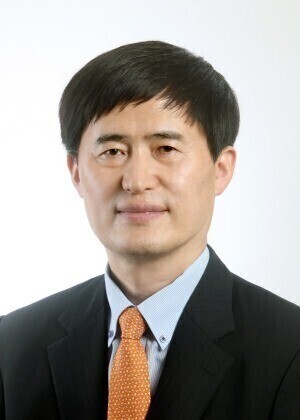 |
| ▲ 조홍균 객원논설위원 |
●조홍균은
법·제도경제학자이자 35년 경력 중앙은행가. 경제, 금융, 기업 관련 정책과 제도를 주로 천착했다. 통화금융정책, 금융체제, 금융감독, 금융산업, 기업정책, 법경제 실무와 이론에서 전문성을 쌓았다. 중앙은행과 정부, 국제기구, 학계, 언론계 등에 걸쳐 폭넓게 이력을 쌓았다.
△ 미 워싱턴대 법학박사(J.D./J.S.D., 법경제학) △ 1989년 한국은행 입행 △ 1990년 조사제1부 조사역 △ 1999~2012년 정책기획국 과장 차장 팀장 △ 2016년 금융감독원 거시감독국 파견국장 △ 2017년 한국금융소비자학회 부회장 △ 2018년 한국금융연수원 교수 △ 2022년 경제연구원 부원장 △ 저서: 우리 시대의 금융경제 읽기(박영사, 2025년) △ 2025년~ 고려대 행정전문대학원·법무대학원 교수, 한국은행 경제연구원 객원연구위원
[ⓒ KPI뉴스. 무단전재-재배포 금지]