
이념과 충성심 아닌 민생경제가 가르는 美중간선거 향방
미국 중간선거(11월 3일)가 2주 앞으로 다가왔다. 승부를 가를 변수는 무엇일까. 공화당의 전통적 강세 지역인 아이오와주의 표심 변화에서 단서를 찾을 수 있다. 올 2월만 해도 아이오와주에서 공화당의 승리는 확실시되었고 여름 무렵까지는 열광적인 지지 일색이었다. 도널드 트럼프 대통령이 2024년 대선에서 13%포인트 이상 차이로 승리한 것을 포함하여 지난 세 번의 대선에서 트럼프를 지지했던, 보수 성향이 강한 주다. 그 아이오와주에서 최근 공화당 아성이 흔들리고 있다. 이란 전쟁의 여파로 에너지 가격이 치솟고 생활비 부담이 커지면서 유권자들의 불만이 공화당을 향하고 있기 때문이다.
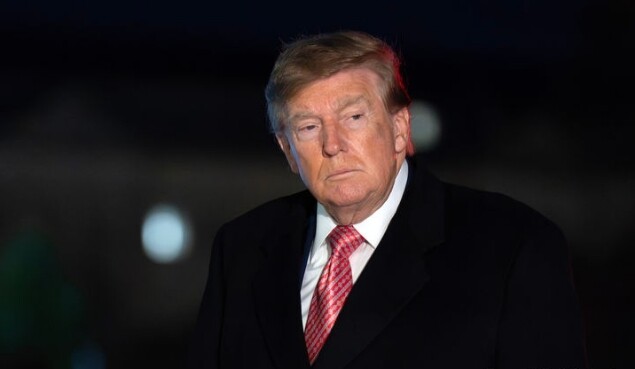 |
| ▲ 도널드 트럼프 미국 대통령. [AP 뉴시스] |
아이오와주 연방 상원의원 선거는 이러한 변화를 상징적으로 보여준다. 리얼클리어폴리틱스(RealClearPolitics)의 여론조사 평균에 따르면 민주당 조시 투렉 후보가 공화당 애슐리 힌슨 후보를 근소한 차이로 앞서고 있다. 전통적인 공화당 우세 지역에서 민주당 후보가 접전을 벌인다는 것 자체가 주목할 만하다. 트럼프에게 압도적인 지지를 보냈던 유권자들이 경제적 불만으로 인해 정치적 선택을 바꿀 가능성을 시사하고 있다고 할 수 있다.
아이오와주는 미국 농업경제의 핵심 지역이다. 농민과 운송업자에게 최근 치솟은 경유 가격은 단순한 소비자물가 항목이 아니라 생산과 생계를 좌우하는 비용이다. 연료 가격이 오르면 농기계 운영비와 농산물 운송비가 늘고 비료와 농업 투입재의 가격 부담까지 커진다. 그 충격은 농가에 머물지 않는다. 운송비 상승은 식료품을 비롯한 각종 상품의 가격으로 전가되고 결국 소비자들의 가계 부담을 늘린다. 에너지 가격 상승이 민생경제 전반으로 번지는 것이다. 민주당 투렉 후보가 생활비 문제 해결을 선거 운동의 핵심 슬로건으로 내세우는 것도 이 때문이다. 공화당 힌슨 후보는 이란 전쟁의 종식을 촉구했다. 아이오와주의 상황은 특정 후보의 경쟁력만으로 설명하기 어렵다. 전쟁과 에너지 가격, 관세와 농업 비용이 서로 얽히면서 유권자들이 체감하는 경제적 현실이 선거의 주요 변수로 부상하고 있다.
아이오와주 투렉을 포함한 많은 민주당 후보들은 굳이 논란을 불러일으킬 수 있는 진보 대 보수의 이념적 대결 이슈를 피하려 하고 있으며 생활비 문제에 선거 운동의 초점을 맞추고 있다. 이는 기존 민주당 지지층의 분열 없이 트럼프와 공화당에 맞서 공동 전선을 펼칠 수 있는 영역이기 때문이다. 이념적 쟁점은 다양한 민주당 지지층을 분열시킬 수 있지만 식료품과 주거비, 연료비 부담은 유권자들의 정치적 성향을 넘어서는 공통의 관심사다. 생활비 문제는 민주당이 서로 다른 성향의 유권자들을 결집하고 트럼프와 공화당의 경제 운영을 심판대에 올릴 수 있는 의제다. 선거에서 중요한 것은 유권자들이 일상에서 체감하는 경제적 성과이기 때문이다.
민주당이 이번 중간선거에서 하원 다수당 지위를 되찾을 것이라는 전망이 힘을 얻는 가운데 최근 몇 주 사이 상원 선거는 결과를 예측할 수 없는 치열한 격전으로 변모했다. 아이오와와 인접한 캔자스와 오하이오, 텍사스, 알래스카 등 전통적으로 공화당이 강세를 보였던 지역에서도 접전이 벌어지고 있다. 만약 공화당이 하원에 이어 상원 다수당 지위까지 잃는다면 트럼프 대통령의 집권 후반기 국정 운영은 상당한 타격을 받을 수밖에 없다. 현재 상원 의석 분포는 공화당 53석, 민주당 47석이다. 초당파적 선거 분석 매체인 쿡 정치 보고서(Cook Political Report)는 이번 달 분석에서 민주당이 상원 의석을 2석에서 6석 추가로 확보할 것으로 예측했다.
공화당 후보들에게 트럼프와의 긴밀한 관계는 더 이상 정치적 자산이 아닐 수 있다. 일부 후보들이 백악관과 거리를 두려는 모습마저 보이는 이유다. 미시간주 공화당 상원의원 후보 마이크 로저스는 지난달 이란 전쟁 종식을 촉구한 데 이어 이번 달에는 미시간주에 막대한 타격을 입힌 캐나다와의 관세 전쟁을 즉각 중단할 것을 요구했다. 트럼프가 직접 지명한 텍사스주 공화당 상원의원 후보 켄 팩스턴은 워싱턴에 대한 본인의 영향력이 부족함을 토로하며 이란 전쟁 결정을 본인이 내린 것도 아니고 결정 배경도 알지 못한다고 말했다. 이러한 움직임은 공화당 내부의 복합적 딜레마를 드러낸다. 하지만 선거가 임박한 시점에 대통령과 거리를 두는 것만으로 그동안의 정치적 연대와 정책적 책임을 떼어낼 수 있을지는 의문이다.
이번 달 영국 일간지 파이낸셜타임스의 여론조사에 따르면 유권자의 3분의 2 이상이 미국 경제가 잘못된 방향으로 가고 있다고 답했다. 11월 중간선거를 목전에 둔 시점에서 유권자들은 트럼프 대통령의 경제 운영 능력에 대해 낮은 평가를 내리고 있다. 트럼프의 지지율은 34% 수준에 머물렀다. 유권자의 45%는 트럼프가 11월 선거에서 공화당 후보들의 승리를 어렵게 만들고 있다고 평가했다. 경제 운영에 대한 부정적 평가가 대통령 개인의 지지율을 넘어 공화당 후보들의 선거 전망에도 영향을 미치고 있는 셈이다. 이번 조사는 공화당에 불리하게 돌아가는 선거 판세에 대한 쿡 정치 보고서의 분석과도 궤를 같이한다. 쿡 보고서는 하원 선거구 18곳의 판세를 민주당 우세로 조정했다. 여론조사가 선거 결과를 확정하는 것은 아니다. 다만 여러 지역에서 공화당 후보들이 어려움을 겪고 있다는 점은 개별 후보의 문제를 넘는 정치 환경을 시사한다.
이번 중간선거의 핵심은 결국 경제다. 2024년 대선에서 트럼프는 조 바이든 행정부의 인플레이션과 높은 생활비를 집중적으로 공격했다. 유권자들에게 물가 상승은 추상적 거시경제 지표가 아니었다. 장바구니와 주유소, 주거비 고지서에서 매일 확인하는 현실이었다. 트럼프는 이러한 불만을 정치적 동력으로 십분 활용하여 백악관에 복귀했다. 그러나 트럼프 2기가 2년이 지나기도 전에 바로 그 경제적 불만이 자신과 공화당을 향한 심판의 근거로 되돌아오고 있다.
2022년 중간선거도 중요한 비교 사례다. 당시 미국은 코로나19 팬데믹과 러시아의 우크라이나 침공에 따른 공급 충격 속에서 높은 인플레이션을 경험했다. 물가 상승에 대한 유권자들의 불만은 집권 민주당에 불리하게 작용했고 민주당은 하원 다수당 지위를 잃었다. 당시의 경험은 경제 상황에 대한 유권자들의 평가가 집권당의 정치적 운명에 얼마나 큰 영향을 미치는지 보여준다. 다만 인플레이션은 국제 에너지 가격과 공급망, 재정·통화정책 등 여러 요인이 복합적으로 작용한 결과다. 정치적 책임을 평가할 때 이를 구분할 필요는 있다.
그럼에도 이번에는 트럼프 2기 행정부가 추진한 정책과 외부 충격의 상호작용이 중요한 쟁점으로 떠올랐다. 이란 전쟁은 에너지 공급과 가격에 충격을 주고 있으며 관세 정책은 수입 원가와 기업의 생산비용을 높여 물가에 상승압력으로 작용해 왔다. 에너지 가격 상승이 운송비와 생산비를 통해 다른 상품의 가격으로 확산하면 가계의 실질 구매력은 더욱 약화한다. 유권자들 입장에서는 전쟁과 관세의 지정학적·정치경제적 논리보다 매달 지출해야 하는 생활비가 더 직접적인 판단 기준이 된다.
정치인은 경제지표와 체감경제 현실 사이의 괴리를 과소평가해서는 안 된다. 경제성장률이나 주가지수가 양호하더라도 식료품과 에너지, 주거비 부담이 줄지 않는다면 시민들은 경제가 나아지고 있다고 느끼지 못할 수 있다. 물가상승률이 둔화하더라도 이미 오른 가격이 충분히 내려가지 않는 한 가계의 부담이 사라지는 것도 아니다. 유권자들이 평가하는 것은 경제의 평균적인 성적표만이 아니라 자신의 소득으로 얼마나 안정적인 생활을 유지할 수 있는가이다.
관건은 다시 경제의 지배(rule of economy)로 집약되고 있다. 경제는 정치의 여러 의제 가운데 하나에 그치지 않는다. 유권자들이 정부의 능력과 정책의 성공을 판단하는 토대이자 정치적 충성(loyalty)의 지속 여부를 결정하는 기준이다. 이념과 정체성, 정당에 대한 소속감이 강력한 정치적 결속을 만들어내더라도 생활의 현실이 그 기대를 지속적으로 배반한다면 지지 강도는 약해질 수 있다. 정치적 충성이 경제적 성과와 무관하게 계속 유지되기는 어려운 것이다.
유권자들의 경제적 불만이 반드시 야당의 승리로 이어진다는 것은 아니다. 유권자들은 경제 외에도 여러 요소들을 함께 고려한다. 민주당이 생활비 문제를 제기하는 것만으로 승리를 보장받지는 못할 것이다. 경제적 불만이 실제 투표소의 선택으로 연결되는지, 그리고 야당이 유권자들에게 설득력 있는 대안을 제시할 수 있는지도 중요할 것이다. 그러함에도 이번 선거에서 경제 문제가 정치적 선택의 중심에 놓여 있다는 점은 분명하다. 트럼프에게 이번 중간선거는 의회 의석을 둘러싼 경쟁 이상의 의미를 갖는다. 유권자들의 경제적 불만을 정치적 지렛대로 삼아 집권한 대통령이 자신의 경제 운영 능력으로 평가받는 시험대이기 때문이다. 대통령과 공화당 후보들이 직면한 어려움은 지지층의 충성만으로는 당면한 생활비 난제를 돌파할 수 없다는 현실을 잘 보여준다. 지지자들이 원하는 것은 정치적 구호가 아니라 일상 삶에서 확인할 수 있는 실생활의 개선이기 때문이다.
경제의 지배로 집권한 트럼프가 다시 경제의 지배를 받는 역설. 2026년 미국 중간선거가 던지는 의미심장한 질문이다. 경제를 정치의 도구로 활용하는 것과 경제를 안정적으로 운영해 국민의 신뢰를 얻는 것은 별개의 일이다. 전자는 선거에서 승리하게 할 수 있지만 후자가 뒷받침되지 않으면 그 승리의 기반은 곧 흔들릴 수 있다. 11월 3일 유권자들의 선택은 미국 정치의 향방, 그리고 경제적 성과와 정치적 신뢰의 관계를 새삼 보여줄 것이다. 정치의 이념적 구호가 아무리 강력하더라도 현실 민생경제를 대신하기 어렵다. 정치적 지지의 최종 시험대는 결국 유권자들의 일상이다. 경제의 지배를 가볍게 여기는 정치인에게 민심은 언제든 부메랑이 되어 돌아올 수 있음을 성찰해야 할 2026년 가을이다.
[Reading Finance & Economy with Cho, Hong Kyoon] The Rule of the Economy: What Will Decide the Outcome of America's November Midterm Elections?
The November 3 U.S. midterm elections are now just two weeks away. What will determine the outcome? A clue may be found in shifting voter sentiment in Iowa, a traditionally Republican stronghold. As recently as February, a Republican victory in Iowa was widely regarded as all but certain, and enthusiastic support for the party persisted well into the summer. Iowa is a deeply conservative state that has backed Donald Trump in each of the past three presidential elections, including his victory by a margin of more than 13 percentage points in 2024. Yet the Republican stronghold is now showing signs of erosion. The fallout from the war with Iran has sent energy prices soaring and increased the cost-of-living burden, turning voter frustration against the Republicans.
The U.S. Senate race in Iowa offers a telling illustration of this shift. According to the polling average compiled by RealClearPolitics, Democratic candidate Josh Turek holds a narrow lead over Republican candidate Ashley Hinson. The fact that a Democrat is mounting a competitive challenge in a state traditionally dominated by Republicans is significant in itself. It suggests that voters who once gave Trump overwhelming support may be reconsidering their political choices in response to economic discontent.
Iowa lies at the heart of America's agricultural economy. For farmers and trucking operators, the recent surge in diesel prices is not merely another item in the consumer price index; it is a cost that directly affects production and livelihoods. Higher fuel prices raise the cost of operating farm machinery and transporting agricultural products, while adding to the burden of fertilizer and other agricultural inputs. The impact does not stop at the farm gate. Rising transportation costs are passed on to a wide range of goods, including groceries, ultimately placing a heavier burden on household budgets. In this way, higher energy prices spread throughout the broader economy and affect everyday life. This is why Democratic candidate Turek has made tackling the cost of living a central campaign slogan. Republican candidate Hinson, meanwhile, has called for an end to the war with Iran. Iowa's political landscape cannot be explained solely by the relative strengths of the candidates. War, energy prices, tariffs, and agricultural costs are becoming intertwined, bringing the economic realities voters experience firsthand to the forefront of the election.
Many Democratic candidates, including Turek in Iowa, are deliberately avoiding ideological confrontations between progressives and conservatives that could provoke controversy. Instead, they are focusing their campaigns on the cost of living. This issue provides common ground on which Democrats can build a united front against Trump and the Republicans without alienating their diverse coalition of supporters. Ideological disputes can divide the Democratic base, but the cost of groceries, housing, and fuel concerns voters regardless of their political leanings. The cost of living gives Democrats an issue around which to unite voters with different outlooks and put the economic stewardship of Trump and the Republicans on trial. What matters in an election, after all, is the economic performance voters experience in their daily lives.
As expectations grow that Democrats will regain control of the House of Representatives in the midterms, the Senate races have, in recent weeks, turned into fiercely contested battles whose outcomes are increasingly difficult to predict. Close contests are emerging even in traditionally Republican-leaning states, including Kansas neighboring Iowa, Ohio, Texas, and Alaska. If Republicans lose their Senate majority in addition to control of the House, Trump's ability to govern during the second half of his presidency will inevitably suffer a substantial blow. Republicans currently hold 53 Senate seats, compared with 47 for Democrats. In its analysis this month, the nonpartisan Cook Political Report projected that Democrats could gain between two and six additional Senate seats.
For Republican candidates, a close association with Trump may no longer be a political asset. Some are even showing signs of trying to distance themselves from the White House. Mike Rogers, the Republican Senate candidate in Michigan, called for an end to the war with Iran last month. This month, he also demanded an immediate halt to the tariff war with Canada, which has inflicted considerable damage on Michigan. In Texas, Republican Senate candidate Ken Paxton, personally endorsed by Trump, has complained about his limited influence in Washington. He has also said that he neither made the decision to go to war with Iran nor knew the reasoning behind it. These developments reveal the complex dilemma confronting the Republican Party. Yet it remains questionable whether distancing themselves from the president so close to Election Day will be enough for candidates to shed responsibility for their longstanding political alliances and policy commitments.
According to a Financial Times poll published this month, more than two-thirds of voters believe the U.S. economy is heading in the wrong direction. With the November midterms fast approaching, voters are giving Trump's economic management poor marks. His approval rating has remained around 34 percent, while 45 percent of voters say he is making it harder for Republican candidates to win in November. Negative assessments of economic management are thus affecting not only the president's personal approval rating but also the electoral prospects of Republican candidates. The findings are consistent with the Cook Political Report's assessment of an electoral landscape increasingly unfavorable to Republicans. The report shifted its ratings for 18 House districts in favor of Democrats. Polls cannot determine election results with certainty. Nevertheless, the difficulties Republican candidates are facing across multiple states point to a broader political climate that extends beyond the fortunes of individual candidates.
Ultimately, the economy is at the heart of this midterm election. In the 2024 presidential campaign, Trump repeatedly attacked the Biden administration over inflation and the high cost of living. For voters, rising prices were not abstract macroeconomic indicators. They were a daily reality reflected in grocery carts, gas stations, and housing bills. Trump skillfully harnessed that frustration as a source of political momentum and returned to the White House. Yet less than two years into his second term, the very economic discontent that helped bring him back to power is now returning as a basis for judging both him and his party.
The 2022 midterm elections provide an important point of comparison. At the time, the United States was experiencing high inflation amid supply shocks caused by the COVID-19 pandemic and Russia's invasion of Ukraine. Voter frustration over rising prices worked against the Democrats in power, and the party lost its majority in the House. That experience demonstrated just how profoundly voters' assessments of economic conditions can shape the political fortunes of an incumbent party. Inflation, however, results from the interaction of multiple factors, including global energy prices, supply chains, and fiscal and monetary policies. These factors need to be distinguished when assigning political responsibility.
Even so, the interaction between the policies pursued by Trump's second administration and external shocks has emerged as a central issue this time around. The war with Iran is disrupting energy supplies and pushing up prices, while tariff policies have raised import costs and business production expenses, adding to inflationary pressures. As higher energy prices feed through transportation and production costs into the prices of other goods, household purchasing power weakens further. From voters' perspective, the monthly cost of living they must meet is a more immediate yardstick than the geopolitical and political-economic rationales behind war and tariffs.
Politicians should not underestimate the gap between economic indicators and the economic reality people experience. Even if economic growth and stock market indices are performing well, citizens may not feel that the economy is improving if the cost of groceries, energy, and housing remains burdensome. Nor does a slowdown in the rate of inflation eliminate household pressures when prices that have already risen do not come down sufficiently. Voters judge the economy not simply by its average performance, but by whether their incomes enable them to maintain a stable standard of living.
The decisive factor is once again coming down to the rule of the economy. The economy is not merely one issue among many on the political agenda. It is the foundation on which voters judge a government's competence and the success of its policies, as well as a key determinant of whether political loyalty endures. Ideology, identity, and party affiliation can create powerful political bonds. But when the realities of everyday life repeatedly betray voters' expectations, those bonds can weaken. Political loyalty is difficult to sustain indefinitely when it is detached from economic performance.
Economic discontent does not necessarily translate into victory for the opposition. Voters weigh a range of considerations beyond the economy, and Democrats are not guaranteed success simply by raising the cost-of-living issue. It will matter whether economic frustration translates into votes at the ballot box and whether the opposition can offer a credible alternative that persuades voters. Nevertheless, there is little doubt that economic concerns have taken center stage in this election. For Trump, these midterms mean more than a contest over congressional seats. They represent a test of an incumbent president who came to power by turning voters' economic discontent into political leverage and must now answer for his own economic management. The difficulties facing the president and Republican candidates illustrate a fundamental reality: loyalty among supporters alone cannot overcome the immediate challenges posed by the cost of living. What voters want is not political rhetoric, but tangible improvements in their everyday lives.
The paradox is clear: Trump came to power through the rule of the economy, only to find himself subject to that same rule. This is the consequential question posed by the 2026 U.S. midterm elections. Using the economy as a political instrument is one thing; managing it well enough to earn and sustain public trust is another. The former can deliver an electoral victory, but without the latter, the foundations of that victory can quickly begin to crumble. The choices voters make on November 3 will offer a fresh perspective on the direction of American politics and the relationship between economic performance and political trust. However powerful ideological slogans may be, they cannot substitute for the realities of everyday economic life. The ultimate test of political support lies in the daily lives of voters. The autumn of 2026 should serve as a reminder to politicians that public discontent can always come back to haunt those who underestimate the rule of the economy.
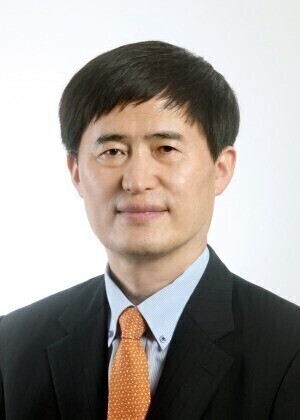 |
| ▲ 조홍균 객원논설위원 |
● 조홍균은
법·제도경제학자이자 35년 경력 중앙은행가. 경제, 금융, 기업 관련 정책과 제도를 주로 천착했다. 통화금융정책, 금융체제, 금융감독, 금융산업, 기업정책, 법경제 실무와 이론에서 전문성을 쌓았다. 중앙은행과 정부, 국제기구, 학계, 언론계 등에 걸쳐 폭넓게 이력을 쌓았다.
△ 미 워싱턴대 법학박사(J.D./J.S.D., 법경제학) △ 1989년 한국은행 입행 △ 1990년 조사제1부 조사역 △ 1999~2012년 정책기획국 과장 차장 팀장 △ 2016년 금융감독원 거시감독국 파견국장 △ 2017년 한국금융소비자학회 부회장 △ 2018년 한국금융연수원 교수 △ 2022년 경제연구원 부원장 △ 저서: 우리 시대의 금융경제 읽기(박영사, 2025년) △ 2025년~ 고려대 행정전문대학원·법무대학원 교수, 한국은행 경제연구원 객원연구위원
[ⓒ KPI뉴스. 무단전재-재배포 금지]